Alliances over isolation
American power lasts when trusted partners choose to stand with us. A coalition is not a constraint on strength; it is how strength multiplies.

 Wilsonianism
An American argument for democratic strength
Wilsonianism is the belief that American leadership is strongest when it builds alliances, defends democratic institutions, and turns power into durable influence—not personal tribute.
The alternative to Trumpism
American power lasts when trusted partners choose to stand with us. A coalition is not a constraint on strength; it is how strength multiplies.
Public office is a trust, not a tollbooth. Policy should serve the republic—not the private wealth, access, or vanity of its leaders.

A confident democracy welcomes facts, dissent, expertise, and lawful limits. Only insecure leaders require applause instead of advice.

The central distinction

Wilsonianism treats alliances, open diplomacy, collective security, and mutual guarantees as instruments of national power. Trumpism treats alliances as protection rackets and public institutions as obstacles to personal command.
This site makes the case for the first tradition with sourced history, current evidence, and an honest accounting of where America has lived up to its principles—and where it has failed them.
Read the Fourteen Points at the National ArchivesStart with the record
Democracy cannot be defended with another personality cult. These are the documents and findings beneath the argument.
What the term means
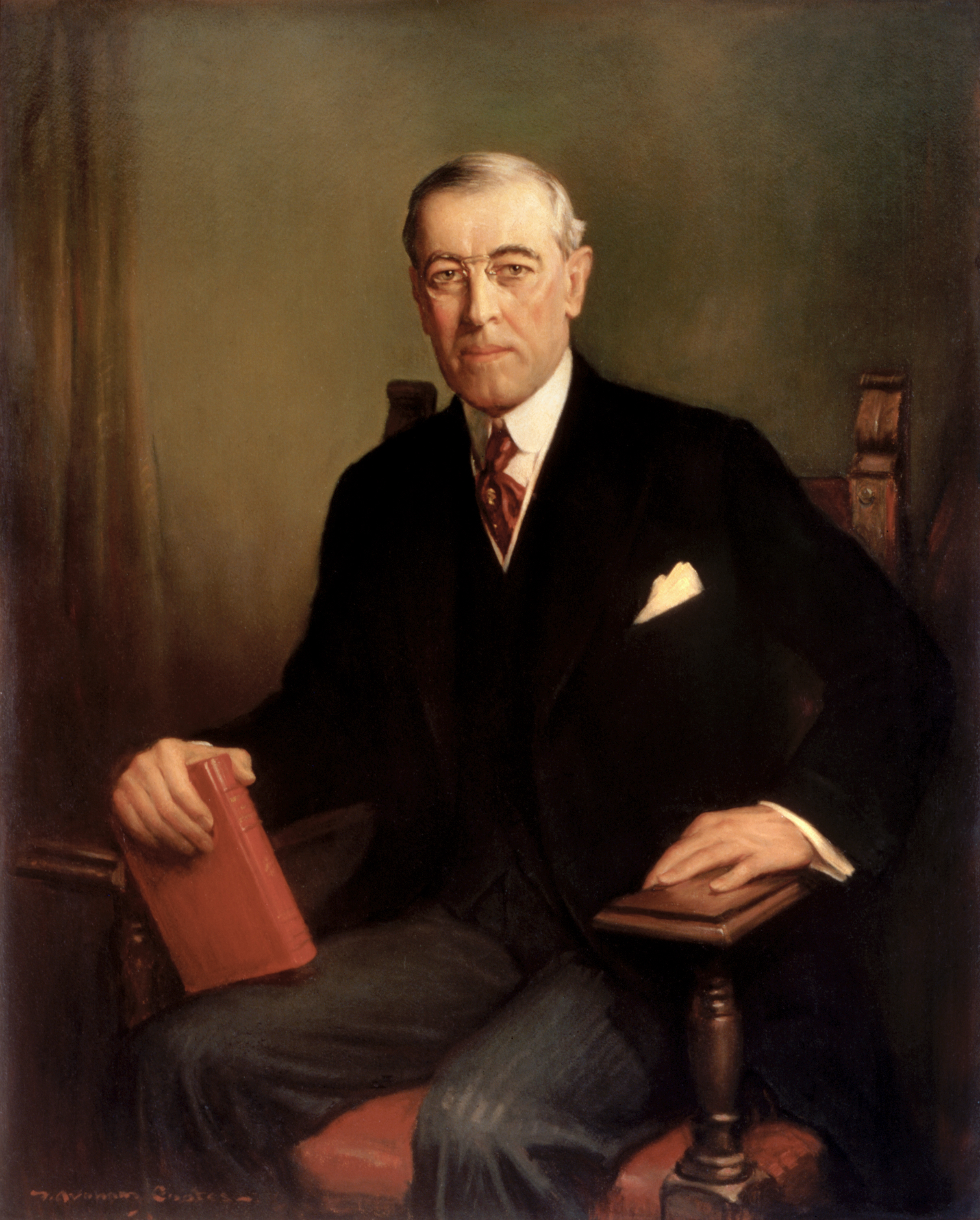
Woodrow Wilson was born in Virginia in 1856 and came of age in the segregated nineteenth-century South. Racism shaped the political culture that formed him, as it shaped much of American politics. That context explains his record; it does not erase the harm. His administration permitted segregation in the federal workforce—a serious failure this project does not defend.
But Wilsonianism is not a racial doctrine, nor does it mean importing every personal belief held by Wilson. In its established historical sense, it names a foreign-policy tradition: open diplomacy, self-determination, collective security, alliances, and international institutions. This project carries those principles forward and applies the same standard of accountable public power to the democratic crisis at home.
Judge the doctrine by the doctrine—not by the prejudices of the era that produced its name.Read the historical record at the President Woodrow Wilson House See exactly where this project draws the lineFrom the blog
War, privilege, and lost trust—and the choices that could restore American opportunity.

AI, abundant energy, and startup opportunity—with communities at the center of the deal.
Peace is not the natural weather of American life. Preserving it requires alliances, deterrence, resilience, and restraint.
The choice before us
Alliances over isolation. Principle over profit. Democracy over strongmen.